
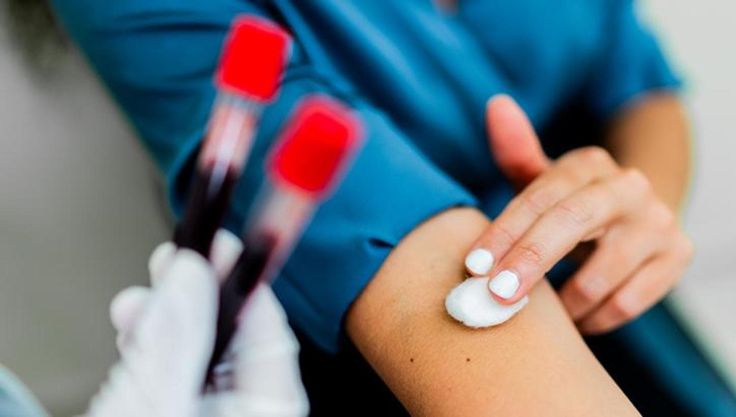
 Blood Tests
Blood Tests are one of the most effective diagnostic tools for assessing your overall health and identifying medical conditions at an early stage. A blood test helps evaluate organ function, detect infections, monitor chronic diseases, identify vitamin and mineral deficiencies, and measure important health markers such as blood sugar, cholesterol, liver function, kidney function, and thyroid hormones. Whether you need a routine health checkup, preventive health screening, or doctor-recommended diagnostic testing, accurate blood testing provides valuable insights for timely diagnosis and treatment. Our reliable blood testing services ensure precise results, fast reporting, and a wide range of diagnostic blood tests to help you make informed decisions about your health and well-being.
These are general screening tests that give an overview of your overall health.
- Complete Blood Count (CBC)
Measures red blood cells, white blood cells, hemoglobin, hematocrit, and platelets. Helps detect infections, anemia, and blood disorders. - Blood Group & Rh Factor
Determines your blood type (A, B, AB, O) and Rh status (+/-). Important for transfusions and pregnancy. - Erythrocyte Sedimentation Rate (ESR)
Indicates inflammation in the body. Often used as a nonspecific marker for infections or autoimmune conditions. - Hemoglobin (Hb)
Measures oxygen-carrying protein in blood. Low levels indicate anemia. - Peripheral Blood Smear (PBS)
Examines blood cells under a microscope to detect abnormalities in size, shape, or number.
 Diabetes Tests (Blood test)
Used to diagnose and monitor diabetes and blood sugar control.
- Fasting Blood Sugar (FBS)
Blood glucose level after 8–10 hours of fasting. - Postprandial Blood Sugar (PPBS)
Blood glucose level measured 2 hours after eating. - Random Blood Sugar (RBS)
Blood sugar measured at any time of the day. - HbA1c (Glycated Hemoglobin)
Shows average blood sugar levels over the past 2–3 months. - Glucose Tolerance Test (GTT)
Measures how efficiently your body processes glucose over time.
 Heart Profile (Cardiac Tests)
Assesses cardiovascular health and risk of heart disease.
- Lipid Profile
Includes total cholesterol, LDL (bad cholesterol), HDL (good cholesterol), and triglycerides. - Troponin I / T
Highly specific markers for heart muscle injury (e.g., heart attack). - Creatine Kinase-MB (CK-MB)
Another marker for heart muscle damage. - High Sensitivity CRP (hs-CRP)
Detects low levels of inflammation linked to heart disease risk. - Homocysteine
High levels may increase risk of heart disease and stroke.
 Liver Function Tests (LFT)
Evaluates liver health and function.
- SGPT (ALT)
Enzyme indicating liver cell damage. - SGOT (AST)
Found in liver and other tissues; elevated levels may suggest liver or muscle damage. - Alkaline Phosphatase (ALP)
Elevated in liver disease or bone disorders. - Bilirubin (Total/Direct/Indirect)
High levels cause jaundice and indicate liver or bile duct issues. - Total Protein & Albumin
Reflect liver function and nutritional status.
 Kidney Function Tests (KFT)
Checks how well your kidneys are working.
- Blood Urea
Waste product filtered by kidneys; high levels indicate dysfunction. - Serum Creatinine
Key marker of kidney function. - Uric Acid
High levels may cause gout or kidney stones. - Electrolytes (Sodium, Potassium, Chloride)
Maintain fluid balance and nerve/muscle function.
 Thyroid Tests
Evaluates thyroid gland function.
- T3 (Triiodothyronine)
Active thyroid hormone affecting metabolism. - T4 (Thyroxine)
Main hormone produced by thyroid gland. - TSH (Thyroid Stimulating Hormone)
Regulates thyroid activity; most sensitive test for thyroid disorders.
 Vitamin & Mineral Tests
Detects nutritional deficiencies.
- Vitamin D (25-OH)
Important for bone health and immunity. - Vitamin B12
Essential for nerve function and red blood cell formation. - Calcium
Crucial for bones, muscles, and nerves. - Iron Studies (Serum Iron, Ferritin, TIBC)
Helps diagnose iron deficiency or overload conditions.
 Infection & Disease Tests
Used to detect common infections and serious diseases.
- Dengue (NS1, IgG, IgM)
Detects dengue infection (early and later stages). - Malaria Test
Identifies malaria parasites in blood. - Typhoid (Widal Test)
Detects antibodies against typhoid bacteria. - HIV Test
Screens for Human Immunodeficiency Virus. - Hepatitis B (HBsAg)
Detects Hepatitis B infection. - Hepatitis C (HCV)
Screens for Hepatitis C virus.
 Hormone Tests
Evaluates hormonal balance and endocrine function.
- Testosterone
Primary male hormone; also present in females. - Estrogen
Main female hormone regulating reproductive system. - Progesterone
Important for menstrual cycle and pregnancy. - Prolactin
Controls milk production and reproductive health. - Cortisol
Stress hormone affecting metabolism and immune response.
Advanced / Special Tests
Used in critical conditions or specialized diagnosis.
- D-Dimer
Helps detect blood clots (e.g., DVT, pulmonary embolism). - Procalcitonin
Marker for severe bacterial infections and sepsis. - Tumor Markers (PSA, CA-125, CEA)
Used in cancer screening and monitoring. - ANA (Autoimmune Test)
Detects autoimmune diseases like lupu.
 Lather Diagnostic Centre
 Book Your Blood test Today
 Follow Us on
  Call Us: 9812198100, 9812198988
 Visit Us: Opp. Shani Mandir, Nilokheri Road, Nigdhu (Karnal)
 Open Daily for Quality Healthcare Services